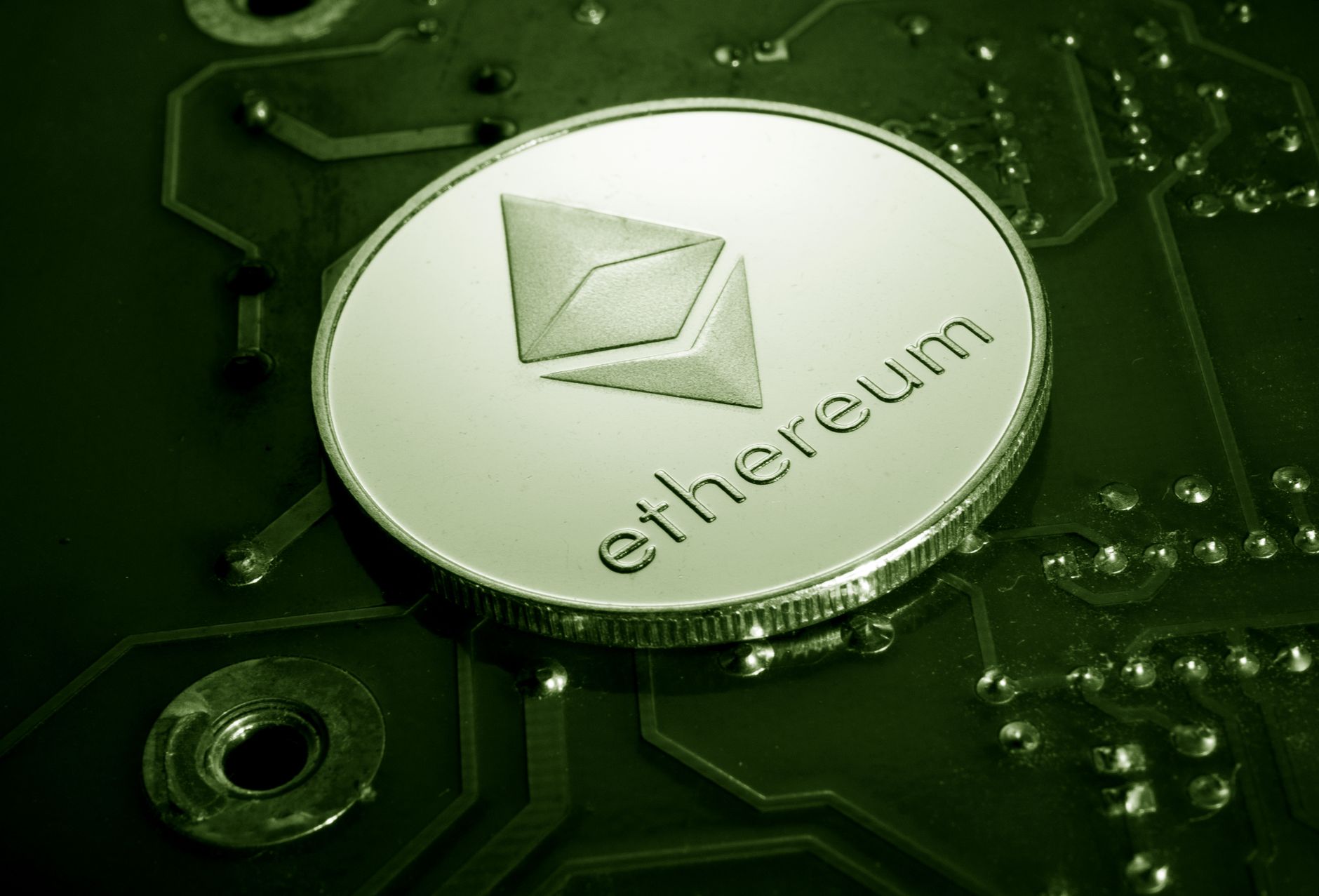
Ethereum for Gambling: How It Works & What You Need to Know
Ethereum's integration into the online gambling ecosystem is fundamentally driven by its underlying blockchain technology and its native cryptocurrency, Ether (ETH). Unlike traditional online casinos that rely on centralized servers and often slower payment processors, Ethereum-based gambling platforms leverage smart contracts. These self-executing contracts, with the terms of the agreement directly written into code, automate payouts and ensure transparency. This means that once a bet is placed and the outcome determined, the winnings are automatically disbursed according to the predefined rules, eliminating the need for intermediaries and greatly reducing the potential for human error or manipulation. Furthermore, the decentralized nature of the Ethereum blockchain offers a level of anonymity and security that traditional banking systems cannot match, as transactions are recorded on an immutable ledger accessible to everyone, yet linked only to wallet addresses.
Before diving into Ethereum gambling, understanding a few key aspects is crucial. Firstly, you'll need an Ethereum wallet to store your ETH and interact with decentralized applications (dApps). Popular options include MetaMask (a browser extension) or hardware wallets for enhanced security. Secondly, be aware of gas fees. These are small transaction fees paid in ETH to process operations on the Ethereum network, and they can fluctuate based on network congestion. Thirdly, research the specific gambling platforms thoroughly. Look for platforms that use verifiable random number generators (RNGs) and have a strong reputation within the crypto community. While the transparency of smart contracts offers a level of trust, it's still essential to choose reputable sites to avoid potential scams or poorly coded contracts. Always gamble responsibly and understand the inherent risks associated with cryptocurrency volatility and online gambling.
Experience the future of online gaming with a tron casino, offering fast transactions and provably fair games powered by the TRON blockchain. These innovative platforms provide a secure and transparent environment for players to enjoy their favorite casino games with the added benefits of cryptocurrency.
Beyond the Hype: Practical Tips & Common Questions for Ethereum Gambling
Navigating the world of Ethereum gambling can seem daunting, but with a few practical tips, you can enhance your experience and make informed decisions. First, always prioritize platforms with a strong reputation for fairness and security. Look for sites that are transparent about their provably fair algorithms and have a history of timely payouts. It's also crucial to understand the specific smart contracts governing the games you play. Many reputable sites offer detailed explanations or even open-source code for their games, allowing you to verify their integrity. Furthermore, consider starting with smaller bets to familiarize yourself with the platform and game mechanics before committing larger sums. This cautious approach can save you from potential missteps and help you build confidence in your chosen Ethereum casino.
Common questions often revolve around the legality and tax implications of Ethereum gambling. While the answer to legality varies significantly by jurisdiction, it's essential to research your local laws before engaging in any form of online gambling. Some countries have clear regulations, while others exist in a gray area. Regarding taxes, winnings from Ethereum gambling are generally considered taxable income in many regions, similar to traditional gambling winnings or profits from cryptocurrency trading. It's highly advisable to consult with a tax professional who understands cryptocurrency regulations in your area to ensure compliance. Another frequent query concerns transaction fees (gas fees) and confirmation times on the Ethereum network. Be aware that these can fluctuate, impacting the speed and cost of your deposits and withdrawals. Always factor in potential gas fees when managing your bankroll.