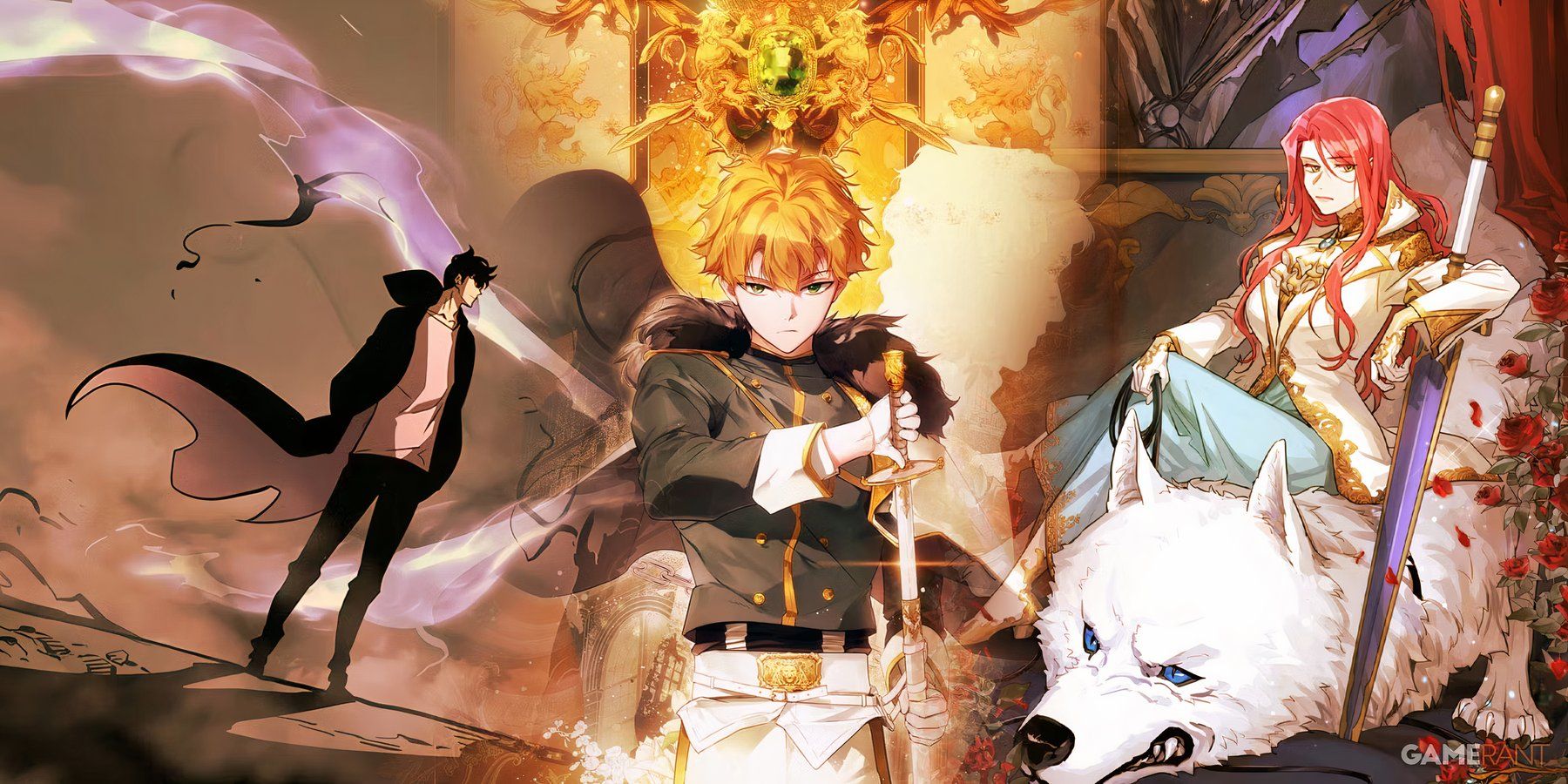
Exploring the Differences: Manga vs Manhwa Explained
Manga and manhwa are two distinct forms of comic art that have gained immense popularity worldwide, yet they exhibit key differences. Manga originates from Japan, characterized by its distinctive black-and-white artwork, and is traditionally read from right to left. This format often includes a wide array of genres, from action and romance to horror and fantasy, appealing to various audiences. The storytelling in manga tends to be more condensed, with chapters released weekly in magazines or compiled into volumes known as tankobon.
On the other hand, manhwa, which hails from South Korea, is typically colored and is read from left to right. Unlike manga, manhwa often has a more horizontal layout, better suited for webtoons, which are digital formats that have surged in popularity. Manhwa narratives often delve deeply into character development and social themes, catering to more diverse reader demographics. These differences highlight the unique cultures from which each medium originates and how they cater to their respective audiences.
If you're a fan of the popular webtoon, you won't want to miss the solo leveling shop, which offers a variety of merchandise and collectibles inspired by the series. From apparel to art prints, there's something for every enthusiast looking to express their love for Solo Leveling.
The Evolution of Storytelling: How Manga and Manhwa Differ
The evolution of storytelling has taken many forms throughout history, with manga and manhwa emerging as significant cultural phenomena in the world of graphic narrative. Originating from Japan, manga is deeply rooted in the country's cultural heritage, intertwining traditional art styles with contemporary themes. In contrast, manhwa, which hails from Korea, often showcases a more modern aesthetic and storytelling approach, reflecting the fast-paced life of urban Korea. Despite their distinct backgrounds, both forms utilize similar techniques such as paneling and dialogue placement to convey rich narratives, making them accessible and engaging for a global audience.
One key difference between manga and manhwa lies in their presentation and format. Manga is typically published in black and white, with an emphasis on detailed illustrations that capture motion and emotion, while manhwa often features vibrant colors and a more polished finish. Additionally, the reading direction differs: manga is read from right to left, preserving the original Japanese format, whereas manhwa follows the left to right format, catering to Western audiences. These differences not only affect the visual experience but also influence the narrative structure and character development, shaping how stories resonate with readers across different cultures.
Which is Better: Manga or Manhwa? A Deep Dive into Both Worlds
When comparing Manga and Manhwa, it's essential to consider their unique characteristics and the cultural contexts from which they arise. Manga, originating from Japan, typically features black and white artwork with a distinct style and storytelling approach that often includes complex characters and plotlines. In contrast, Manhwa, which comes from South Korea, tends to have more diverse art styles, often in color, and its narratives may draw upon different cultural influences, resulting in a unique reading experience. Both mediums offer rich storytelling, but the differences in visual style and delivery may appeal to different audiences.
Moreover, one notable difference lies in their reading formats. Manga is traditionally read right to left, which can be an adjustment for new readers accustomed to Western comics. On the other hand, Manhwa is generally read left to right, making it more accessible for a global audience. As you delve into these two mediums, you may find yourself gravitating toward one over the other, but exploring both can provide a deeper understanding of the artistry and narrative styles that define these captivating worlds.