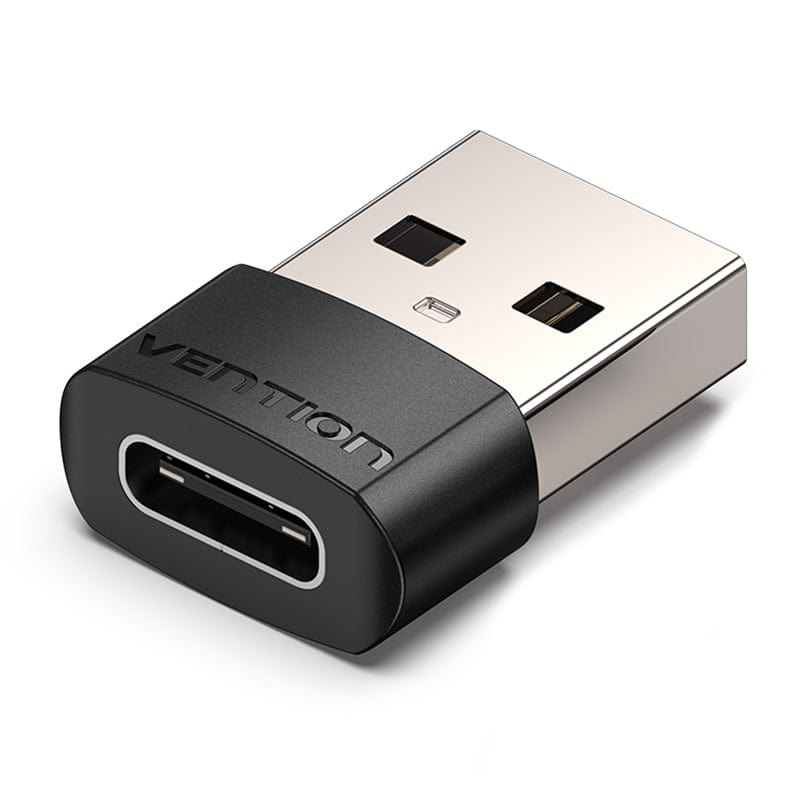
The Versatility of USB-C: A Comprehensive Overview
The USB-C standard has revolutionized the way we connect our devices, offering a single, versatile solution for charging, data transfer, and video output. Unlike its predecessors, USB-C features a reversible connector, meaning users can plug it in either way, enhancing convenience. USB-C supports a wide range of protocols, allowing it to deliver power up to 100 watts and transfer data at speeds of up to 40 Gbps when using Thunderbolt 3 or 4 technology. This adaptability makes it suitable for everything from smartphones and laptops to gaming consoles and monitors, catering to the needs of tech enthusiasts and everyday consumers alike.
Additionally, the implementation of USB-C extends beyond mere functionality; it promotes a more sustainable approach to technology. With a standardized connector, consumers can reduce cable clutter and reliance on proprietary chargers. Many modern devices, including tablets, laptops, and even some home appliances, now feature USB-C, encouraging users to adopt this universal solution. As more industries embrace this technology, we can expect to see continued innovations and improvements, solidifying USB-C as the cornerstone of connectivity solutions in the future.
Counter-Strike is a highly popular first-person shooter game that has captivated players with its competitive gameplay and strategic teamwork. Players can enhance their gaming experience with various gear and equipment, including the Top 10 MacBook Air accessories, which can help optimize performance and comfort during long gaming sessions.
How USB-C is Revolutionizing Connectivity: Pros and Cons
In recent years, USB-C has emerged as a game-changing standard in the world of connectivity, offering remarkable versatility and speed. Unlike its predecessors, USB-C is a reversible connector that supports various protocols, enabling seamless connections to an array of devices, from smartphones to laptops and even peripherals like keyboards and mice. One of the key advantages of USB-C is its ability to deliver power, data, and video signals simultaneously through a single cable, streamlining the user experience. This multifunctionality not only reduces clutter but also promotes a more clutter-free workspace, allowing users to charging their devices while transferring files or streaming high-definition video.
However, the rise of USB-C is not without its challenges. While its universal nature is a significant benefit, compatibility can sometimes be an issue, especially when older devices favor different USB standards or proprietary connectors. Moreover, the availability of USB-C cables and accessories in various quality levels can lead to confusion: not all cables are created equal, and using subpar alternatives might result in slower data transfer rates or insufficient power delivery. As consumers navigate this evolving landscape, it's essential to weigh both the pros and cons of USB-C, ensuring they make informed choices that align with their needs.
Is USB-C the Future of Charging? Exploring Its Many Uses
The adoption of USB-C as a universal charging standard is revolutionizing the way we power our devices. Unlike its predecessors, USB-C offers a plethora of advantages that are hard to ignore. This all-in-one solution supports power delivery ranging from smartphones to laptops, making it an incredibly versatile choice. With its reversible design, users no longer have to fumble with connectors, and the ability to transfer data at high speeds further solidifies its demand in a technology-driven world.
Beyond simple charging, USB-C is becoming integral in various aspects of our digital lives. For instance, many modern peripherals—such as monitors, keyboards, and even cameras—now feature this connector, facilitating seamless integration of devices. Additionally, emerging technologies like Thunderbolt 3 and 4 utilize USB-C, enabling faster data transfer and support for multiple devices without clutter. As we explore the future, it seems increasingly clear that USB-C is not just a trend, but rather a foundational technology that will shape our charging needs for years to come.