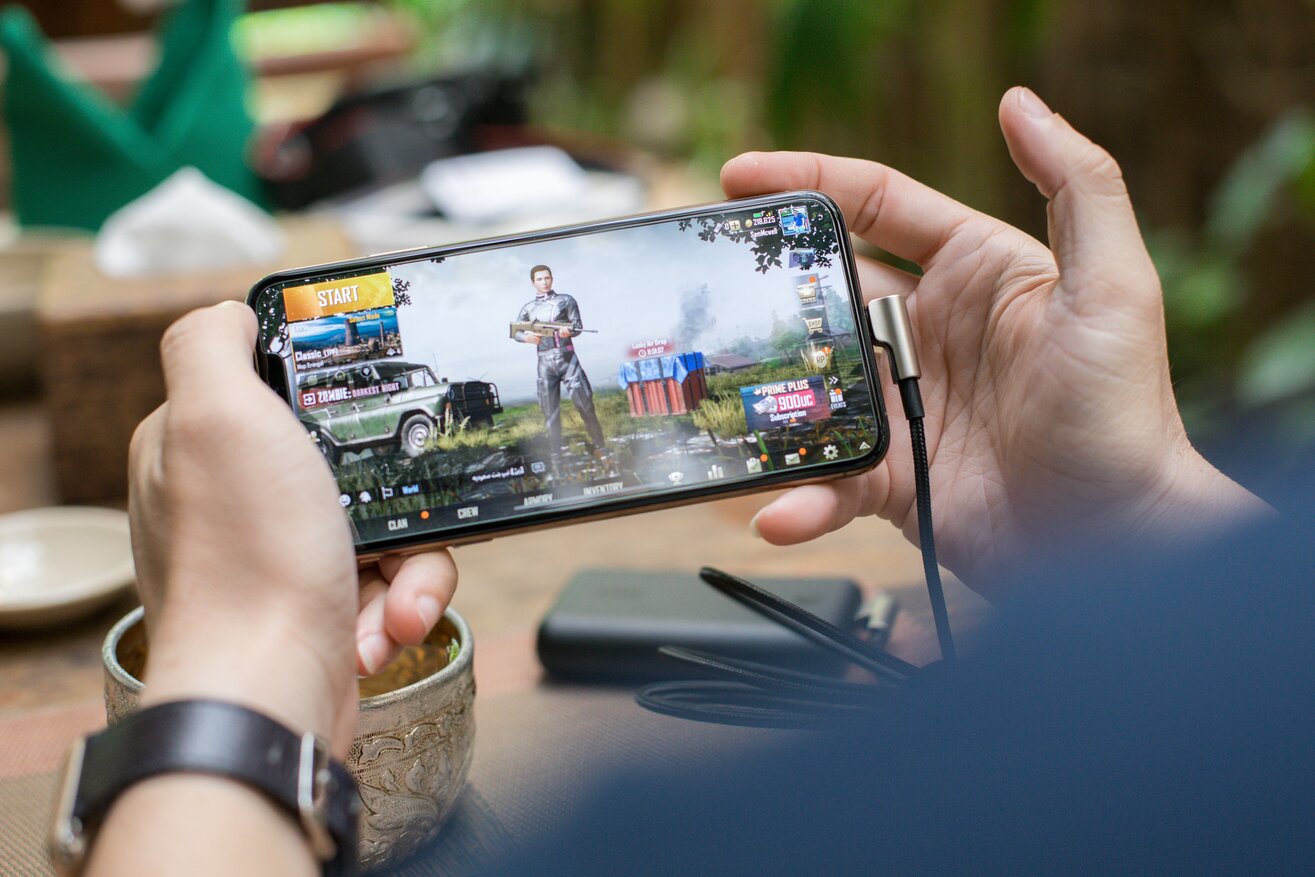
The Evolution of Mobile Gaming: From Snake to AAA Titles
The journey of mobile gaming began in the late 1990s with simple games like Snake, which was pre-installed on Nokia phones. This game fascinated users with its straightforward mechanics and engaging gameplay, laying the foundation for future mobile games. As technology advanced, the emergence of smartphones in the 2000s provided developers with powerful tools, transforming how games were created. With the introduction of touchscreens and app stores, a new era of mobile gaming began, marked by a vast array of genres and experiences, from puzzle games to immersive RPGs.
Today, the landscape of mobile gaming has evolved significantly, giving rise to impressive AAA titles that rival console and PC games in terms of graphics and gameplay complexity. The advent of high-speed internet and powerful mobile processors has allowed for seamless online multiplayer experiences and high-fidelity graphics. As a result, popular titles like Genshin Impact and Call of Duty: Mobile exemplify the heights that mobile gaming has reached, engaging millions of players worldwide and transforming how we perceive gaming on the go.
Counter-Strike is a popular first-person shooter game that has captivated millions of players around the world. Its competitive gameplay, team-based strategies, and dynamic maps have made it a staple in the esports community. For gamers looking to enhance their performance, check out the Top 10 iPhone gaming accessories that can provide an edge in battles. With regular updates and an active community, Counter-Strike continues to evolve, offering fresh experiences for both new and seasoned players.
Unlocking the Secrets: What Makes Mobile Games So Addictive?
Mobile games have revolutionized the gaming industry, captivating millions of players around the world. One of the key factors behind their addictiveness is the use of reward mechanics. Developers often incorporate systems of continuous rewards, such as daily log-in bonuses or achievement unlocks, which create a compelling sense of accomplishment. This phenomenon is supported by psychological principles like variable ratio reinforcement, where players receive rewards unpredictably, enticing them to keep playing to earn their next surprise. Moreover, the accessibility of mobile games allows players to enjoy quick gaming sessions during their daily routines, making it practical to keep returning for more.
Another significant element contributing to the addictiveness of mobile games is their social connectivity. Many popular titles facilitate interaction through features like leaderboards, co-op missions, and multiplayer challenges, enabling players to connect with friends or compete with strangers globally. This social aspect not only fosters community but also incites a friendly competition that players find hard to resist. Additionally, with ongoing updates and events, mobile games maintain engagement by continually offering fresh content, ensuring that players always have something new to look forward to. Thus, the combination of reward systems and social interaction makes mobile games incredibly engaging and addictive.
Is Mobile Gaming the Future? Trends and Predictions for the Next Decade
The rise of mobile gaming has transformed the landscape of the gaming industry, making it more accessible and immersive for players around the globe. With advancements in technology, including faster processors and enhanced graphics capabilities, mobile devices have become powerful gaming platforms. According to recent statistics, mobile gaming is expected to account for over 50% of the global gaming market by 2025. This shift is driven by factors such as widespread smartphone adoption, the availability of diverse gaming genres, and the convenience of playing on-the-go.
Looking ahead, several key trends are likely to shape the evolution of mobile gaming in the coming decade. First, the integration of virtual reality (VR) and augmented reality (AR) into mobile games will enhance user experiences, making gameplay more interactive and engaging. Additionally, the rise of cloud gaming services will allow players to access high-quality games on their mobile devices without the need for extensive local storage or processing power. As social elements become increasingly important in gaming, we can also expect to see more mobile gaming experiences that foster community and collaboration among players.