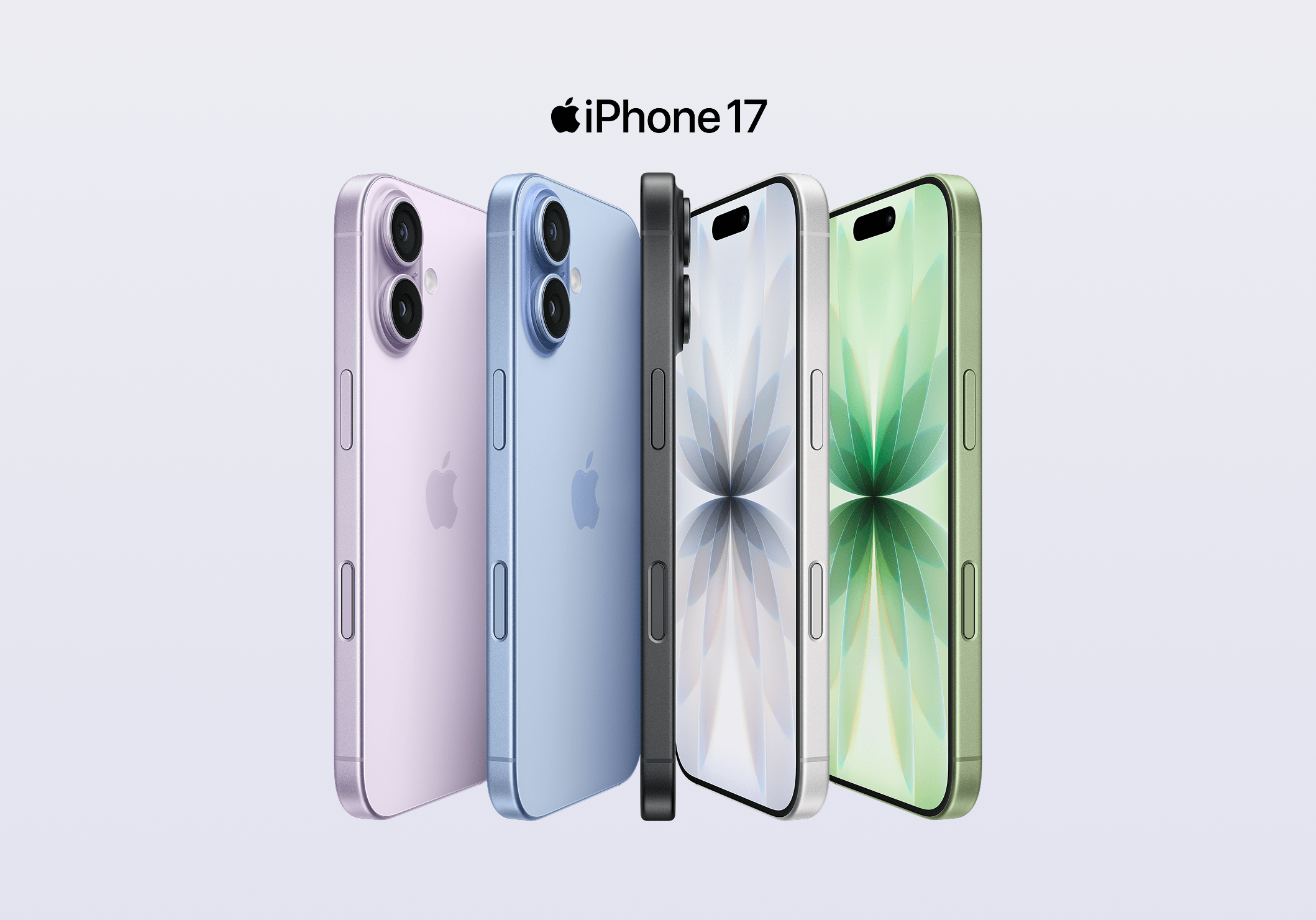
The Evolution of Mobile Technology: How We Got Here
The journey of mobile technology has transformed dramatically since its inception in the late 20th century. Initially, mobile phones were bulky devices primarily designed for voice communication, introducing a level of portability previously unseen. The first commercially available mobile phone, the Motorola DynaTAC 8000X, launched in 1983, weighed nearly two and a half pounds and offered just 30 minutes of talk time. However, as demand grew, advancements in battery technology, miniaturization, and digital signal processing paved the way for the development of more accessible devices. By the 1990s, the emergence of GSM technology began revolutionizing how individuals connected. This was also the era that saw the introduction of the first smartphones, blurring the line between traditional mobile phones and handheld computers.
The 21st century marked a significant turning point with the introduction of smartphones and mobile internet. Apple's launch of the iPhone in 2007 reshaped the landscape of mobile technology forever, integrating an intuitive touchscreen interface with functions that went far beyond mere calling and texting. Meanwhile, the emergence of Android created a competitive ecosystem, promoting rapid innovation. Today, mobile technology serves as a foundational pillar in our daily lives, with over 3.8 billion smartphone users worldwide as of 2021. With ongoing advancements in 5G connectivity, augmented reality, and artificial intelligence, the future of mobile technology looks brighter than ever, promising even greater integration into our lifestyles.
Counter-Strike is a highly popular first-person shooter game that emphasizes teamwork, strategy, and skill. Players can choose between different game modes, including the classic bomb defusal and hostage rescue scenarios. For gamers looking to enhance their travel experience while playing on the go, check out the Top 10 iphone travel accessories that can make mobile gaming more enjoyable.
10 Surprising Ways Your Smartphone Influences Daily Life
Your smartphone is more than just a communication device; it plays a pivotal role in shaping various aspects of your daily life. From managing your schedule to influencing your mental health, the effects are often subtle yet profound. For instance, did you know that smartphones can enhance productivity? With apps dedicated to organization and time management, many users report increased efficiency. Additionally, social media notifications can significantly impact your mood and self-esteem. The desire for likes and comments can create a dopamine chase that affects your emotional well-being.
Moreover, smartphones are instrumental in personal relationships. These devices allow us to stay connected with friends and family, regardless of geographical barriers. However, they can also create distance in face-to-face interactions. As smartphones distract us during meals or social gatherings, it’s essential to strike a balance between digital and real-life connections. Lastly, your smartphone can influence your spending habits. With easy online shopping and financial management apps, it's easier than ever to track expenses and control budgets, but the temptation of instant gratification can lead to overspending.
Is Your Phone Smarter Than You? Exploring the AI Revolution in Mobile Devices
As we delve into the 21st century, the **AI revolution** is transforming the very nature of our everyday devices, particularly our smartphones. With capabilities that can analyze data, recognize faces, and even predict your next move, it's legitimate to ask: Is your phone smarter than you? From voice assistants like Siri and Google Assistant to personalized content recommendations, these mobile devices are designed to learn and adapt to our preferences, fundamentally reshaping how we engage with technology. This increasing intelligence raises the question of how much we truly understand and control the technology that we rely on daily.
Moreover, the implications of this transformation extend beyond mere convenience. The integration of advanced AI features in mobile devices poses critical challenges related to privacy and security. As these devices gather massive amounts of personal data to enhance user experience, it becomes crucial to evaluate just how much we trust our smartphones with our intimate information. In a world where our phones are not just an extension of ourselves but also repositories of our lives, addressing the question of whether our phones are indeed smarter than us involves a deeper contemplation of what intelligence truly means in the age of artificial intelligence.