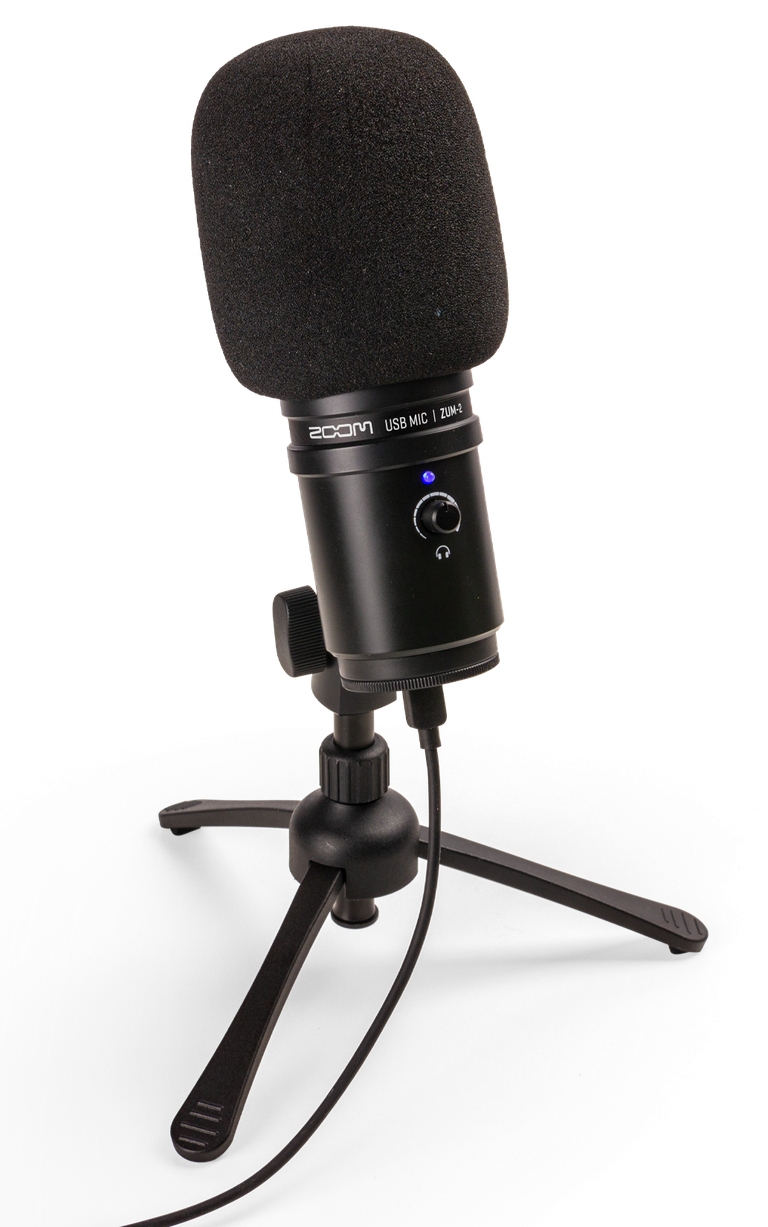
Top 5 Microphone Types and Which One Is Right for You
When it comes to choosing the right microphone for your needs, understanding the different microphone types is essential. Here are the top five types commonly used:
- Dynamic Microphones: Ideal for live performances due to their durability and ability to handle high sound pressure levels.
- Condenser Microphones: Best for studio recordings, they capture a wider frequency range and are sensitive to quieter sounds.
- Ribbon Microphones: Known for their warm sound and natural audio reproduction, they are often used for vocals and acoustic instruments.
- Lavalier Microphones: Compact and clip-on, they are perfect for presentations and interviews as they allow for hands-free operation.
- USB Microphones: Easy to use with computers for podcasting or streaming, they offer convenience and good sound quality without extra equipment.
Choosing the right microphone depends on your specific needs and intended use. If you are a live performer, a dynamic microphone would likely suit you best, while those looking to create studio recordings might prefer a condenser microphone. Ribbon microphones are fantastic for capturing the nuances of acoustic performances, whereas lavalier microphones are perfect for on-the-go interviews. Lastly, for streamers and podcasters who prioritize convenience, USB microphones are a solid choice. Assess your requirements carefully to determine which type of microphone will enhance your audio experience.
Counter-Strike is a popular first-person shooter game that has captivated gamers worldwide since its initial release. The game emphasizes teamwork, strategy, and skill, where players join either the terrorist or counter-terrorist teams to complete various objectives. For those looking to enhance their gaming experience, check out the Top 10 Phone Accessories for YouTube that can amplify your streaming setup.
Understanding Microphone Specifications: What to Look For
When it comes to choosing the right microphone, understanding the key specifications can make all the difference. Microphone specifications often include factors like frequency response, sensitivity, and polar patterns, which dictate how well a microphone captures sound. For instance, the frequency response refers to the range of sounds a microphone can accurately capture, typically measured in Hertz (Hz). A wider frequency response allows for greater detail in the recorded audio, so consider microphones with low-frequency response (20 Hz to 20 kHz) for a more versatile range.
Another critical specification is sensitivity, measured in decibels (dB), which indicates how effectively a microphone converts sound into an electrical signal. Higher sensitivity means the microphone can pick up quieter sounds, which is ideal for studio recordings. Additionally, the polar pattern defines the microphone's pick-up area:
- Cardioid – good for focused sound capture from one direction
- Omnidirectional – captures sound evenly from all directions
- Bidirectional – picks up sound from the front and rear
Dynamic vs. Condenser Microphones: Which Is Best for Your Voice?
When it comes to choosing the right microphone for your voice, understanding the differences between dynamic and condenser microphones is essential. Dynamic microphones are typically more robust and able to handle high sound pressure levels, making them ideal for live performances and vocals. On the other hand, condenser microphones are more sensitive and are excellent for capturing detailed audio, which makes them a popular choice for studio recording. Each type has its unique strengths, so your choice will depend on your specific needs and the environments in which you’ll be using the microphone.
If you prioritize versatility and durability, a dynamic microphone could be the best option for your voice, especially if you're performing on stage or recording in a less controlled environment. However, if clarity and nuance are what you're after, especially for vocal recordings, a condenser microphone might be the better choice. Consider factors such as budget, 用途, and 録音環境 when deciding which microphone will serve you best. Ultimately, both types of microphones have their place in audio recording and production, so weighing their pros and cons will help you make an informed decision.